Everyone has the same tools now. That is the problem.
October 2026
creative direction, ai, branding
AI can make a logo, a strategy, a campaign and a website before lunch, and it makes roughly the same one for everyone who asks. That has not made creative direction less valuable. It has made it the only thing left that is scarce.
A few years ago, the hard part of marketing was making the thing. Getting a decent logo, a landing page, a campaign idea, a content calendar took money, time and people who knew how. Now anyone with a laptop can have all of it by lunch. Ask for a brand strategy and you get one. Ask for ten ad concepts and you get ten. Ask for a website and it builds one.
That should have been great for brands. In a way it is. But look at the results and the same thing keeps happening: it all looks the same. The same layouts. The same gradient. The same three-word headline with the same reassuring subhead. The same strategy deck with the same five pillars. It is not that the tools are bad. It is that they are averaging. They give everyone the most likely answer, and the most likely answer is, by definition, what everyone else already has.
A template is a template, even when it is generated
Marketing used to have an obvious template problem: the theme, the stock photo, the agency deck that got reused with a different logo on the cover. Everyone could spot it. The generated version is harder to spot because it is fluent. It reads well. It is formatted correctly. It makes the right noises about audience and positioning. And it is still a template, because the first thing a model gives you is the thing it would give anyone.
The brands that are winning right now are not the ones that stopped using the tools. They are the ones that stopped accepting the first answer. They treat the output as a starting point, not a deliverable, and they push it toward something only they would make. That push is the job. It always was. The tools just removed everything around it.
Anyone can execute now. Whether it is any good is a different question, and nobody automated that.
You cannot prompt your way to taste
Taste is knowing what to make, what to cut, and when it is actually good. It comes from having seen a lot of work, made a lot of work, and been wrong enough times to know what wrong looks like early. You cannot write it into a prompt because if you could describe it precisely, you would already have it. A model can give you a hundred options. It cannot tell you which one is right for this brand, in this category, in front of this buyer, this year. Someone has to.
That is the part people skip, because it is uncomfortable. Choosing means being responsible for the choice. It is easier to take the first clean-looking output and ship it. So most people do, and the feed fills up with work that is competent and indistinguishable. The brand that chooses, and keeps choosing, past the third and fourth and tenth version until it sounds like itself, is the one you remember.
How I actually use the tools
I use them every day. For speed, for volume, for getting a bad first version out of the way fast so the real work can start. I will generate twenty directions to find the one that is wrong in an interesting way. I will have a model write the version I know I will throw out, because it is faster to react to something than to a blank page. Then comes the part the tool cannot do: deciding. Cutting. Pushing it toward the brand until it stops looking like everyone else's.
The first output is never the answer. Neither is the second. By the fifth or sixth pass, with judgment applied at every step, you are somewhere the tool would never have gone on its own, and somewhere most people, having stopped at the first pass, never get to.
Use the tools for everything except the decision. The decision is the whole product.
What that makes this job
It makes it creative direction. Not in the title sense, in the practical one: someone who holds the brand in their head, knows what good looks like for it, and makes every piece of output answer to that. Execution used to be the scarce thing you paid for. It is not anymore. Judgment is. The brands that see that are investing in taste and treating the tools as what they are, which is very fast hands.
So yes, you can make the thing yourself now. Everyone can. That is exactly why it matters more than ever who decides what the thing should be.
If this is your problem
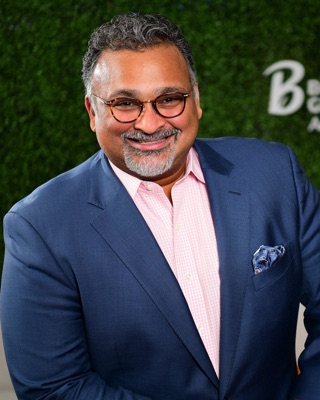
Carter Stoddard, Carterative