Packaging design for the shelf it will actually sit on
Packaging design
Food and beverage, supplements, beauty, household. One SKU to a full line.
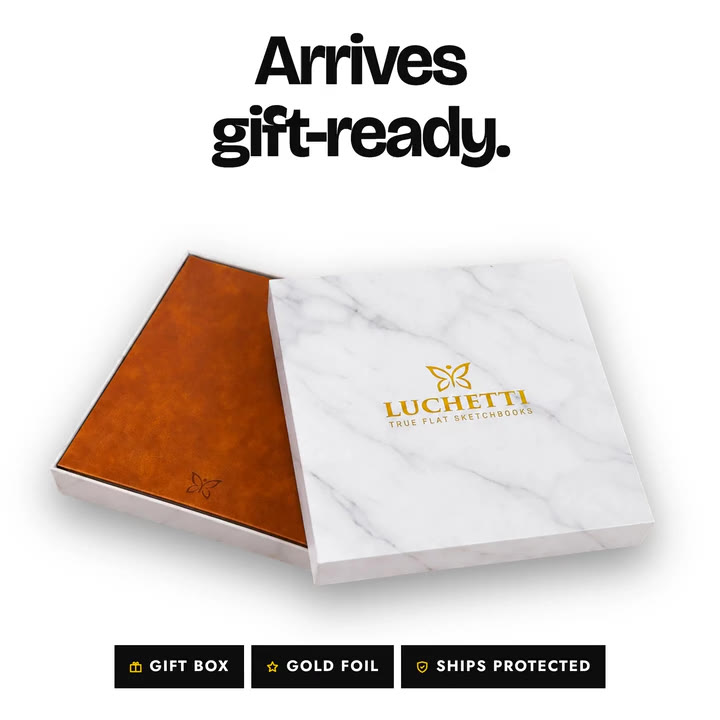
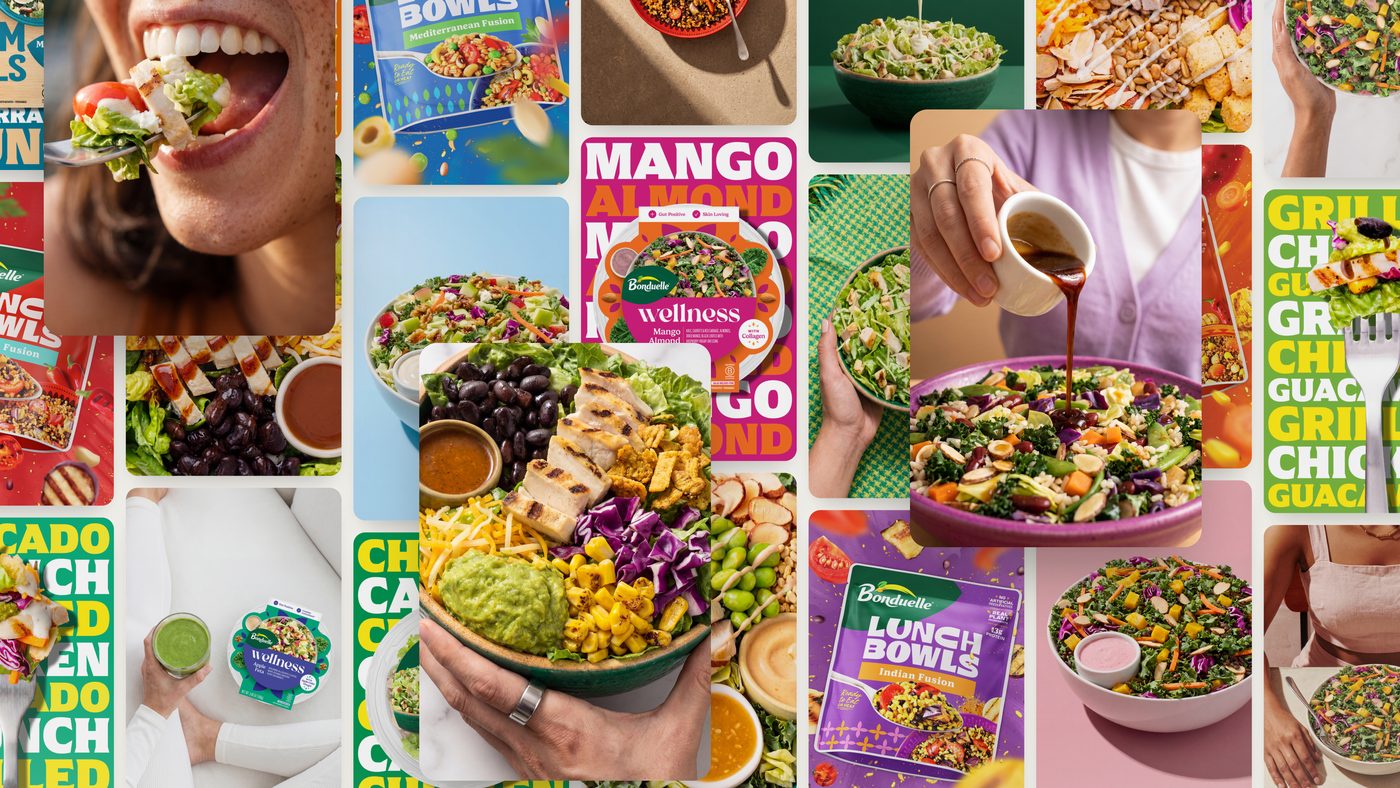
Packaging design for a CPG brand is the one piece of marketing every customer touches, every time, so I design it from the shelf back. The front panel reads from four feet away on a crowded shelf. The hand feels something considered. The side panel sells once they have picked it up. The family of SKUs looks like one brand from across the aisle. Then the files go to the printer with the dielines, the colour callouts and the compliance panels right, so nobody calls you confused.
What I design
Primary, secondary and the pieces that come from the pack.
- Primary packaging: pouches, cartons, boxes, bottles, cans, jars, tubes and the labels that go on them.
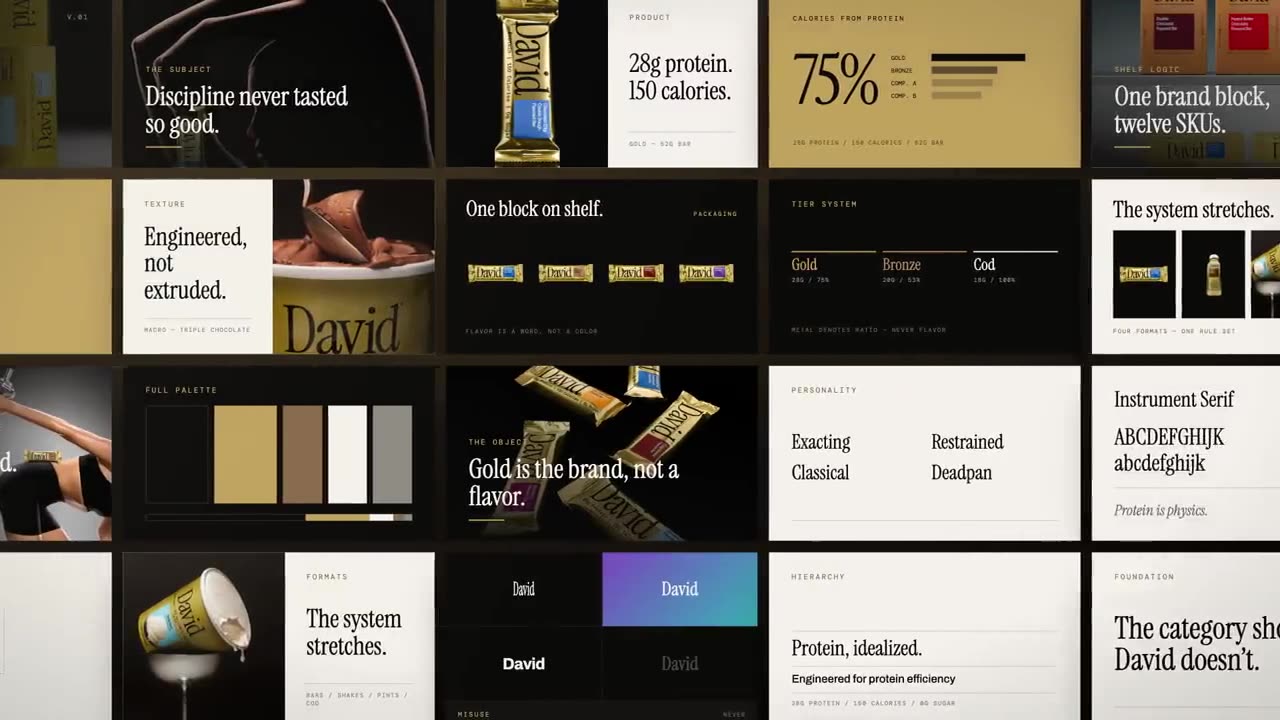
- Line extensions and families: a system of colour, hierarchy and flavour cues so the sixth SKU looks like the first.
- Labels and regulatory panels: nutrition facts, supplement facts, ingredients and claims laid out to the format and the space, in a way a person can read.
- Secondary and case packaging, shippers and club packs, where the box does the selling.
- 3D renders of the finished pack for the sell sheet, the Amazon listing and the website, before the first run is printed.
- Packaging guidelines for the family, so the next designer or the co-packer's team keeps it consistent.
How the work goes
I start in the aisle, with a shelf audit of your category: what every competitor's pack is doing, where the eye goes and what nobody is saying. Then structure and printer come in before design does, because the dieline, the material and the print method decide what is possible. Concepts are built on the real dieline, mocked up and held, and the final goes through a press proof with the printer on the thread. The order matters. A pack designed on a flat rectangle and fitted to a pouch afterwards looks like it.
Why me for this
I spent two years inside a multinational food brand team, in the rooms where packaging got decided and the stores where it got judged. I have seen what a planogram does to a front panel and what a buyer looks at first. I design for both. Fixed price per SKU or per line, quoted up front, which is a fraction of what the agencies that do this charge the brands I used to work for.
Where it goes next
The pack is the start of the system, not the end. The in-store display extends it onto the floor. The sell sheet carries it to the buyer. The Amazon listing and the product page are the pack, photographed and explained. When one person designs all of it, they agree.
His impact was very deliberate, creative, agile, and immediately results oriented.
Where my work has been seen


















Questions I get first
Do you do the structural design too?
Can you handle the nutrition panel and the compliance side?
We have a brand already. Is this a rebrand?
Do you do renders and mockups?
What do I get at the end?
Goes with this
- Trade show booth designExpo West, Sweets & Snacks, Fancy Food Show, NACS. Ten-by-ten to island.
- In-store displays & POSShelf talkers, endcaps, floor displays, shippers, PDQs. Grocery, club, specialty, c-store.
- Sell sheets & line review decksOne-pagers, line sheets, line review decks, distributor and price sheets.
Who this is for
- Startups & D2CD2C, ecommerce, new CPG, apps. Launching, or about to.
- CPG brands launchingFood, beverage, supplements, beauty, household. D2C to shelf.
- D2C & ecommerceApparel, accessories, beauty, home, food and drink. Shopify and custom.
- Established brandsNational CPG, retail and grocery, corporate teams. Project by project.
From the journal
Carter Stoddard, Carterative