In-store display and POS design that earns the floor space it takes
In-store displays & POS
Shelf talkers, endcaps, floor displays, shippers, PDQs. Grocery, club, specialty, c-store.
In-store display and point-of-sale design for a CPG brand is the last piece of marketing a shopper sees before the product is in the cart, and the only one the retailer has to approve first. A shelf talker gets about two seconds and three words. A floor display has to stop someone pushing a cart and survive a stock clerk. I design them to the retailer's spec and to the pack's own design language, so the display and the product read as one brand from across the store, and I hand off files the printer and the co-packer can use without a call.
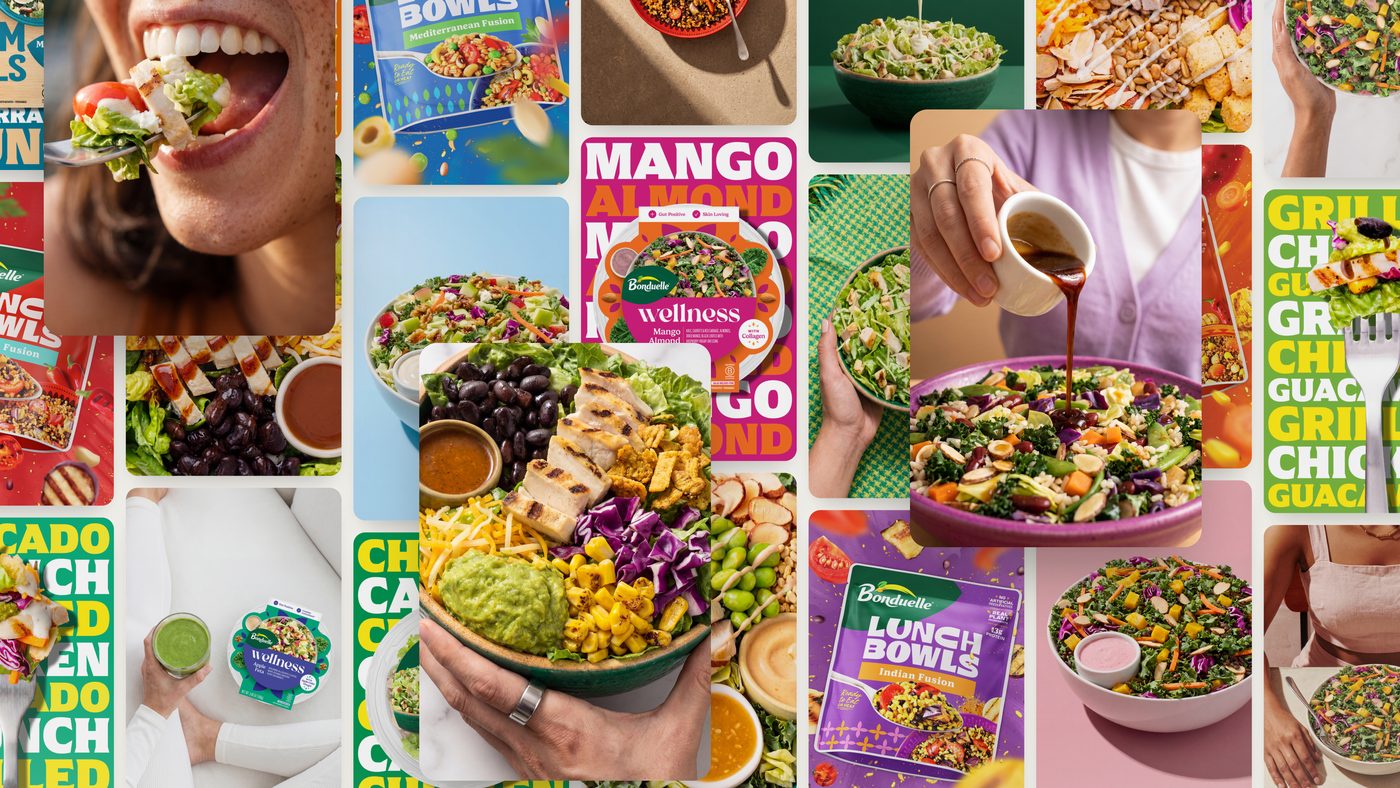

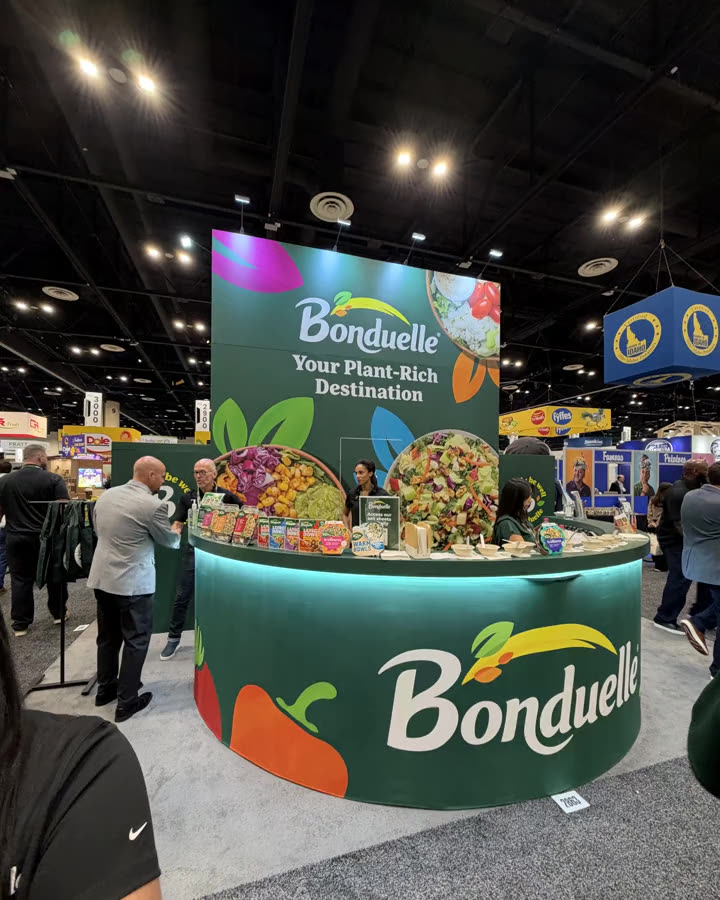
What I design for the store
The pieces that live on the shelf, on the floor and at the register.
- Shelf talkers, wobblers, blades and shelf strips, sized to the retailer's fixture and the planogram.
- Endcap headers, side panels and shelf-edge graphics for a feature week.
- Floor displays, PDQ trays and shipper graphics, designed on the display manufacturer's or co-packer's dieline.
- Case stackers, pallet wraps and club store displays, where the box is the billboard.
- Neck hangers, instant redeemable coupons, tear pads and the small print pieces that move trial.
- Demo and sampling kits: table signage, aprons, tasting cards and the one-pager the demo person hands out.
- Window, door and counter signage for independents, specialty stores and cafes.
Built to the retailer, not to a template
Every retailer has a program. Sizes, materials, what hangs and what stands, who approves it and how long that takes. Club is not grocery, grocery is not convenience, and Whole Foods is not Kroger. I read the vendor guide and the display spec before I design, so the piece that comes back from the printer is the piece the store will actually put out.
For shippers and floor displays, the structural dieline usually comes from the display manufacturer or your co-packer. I design to it exactly, flag anything that will not print the way it looks on screen, and check the proof.
It has to match the pack
A display is not a new design. It is the pack, extended. The same hierarchy, the same colour, the same one reason, big enough to read from the end of the aisle. If the display and the product look like two brands, the display is working against the shelf. I start from your packaging files, and when the packaging is mine too, the whole set is designed as one family from the beginning.
Why me for this
I spent two years inside a multinational food brand team, in the rooms where shopper programs and retail displays got decided and in the stores where they got set. I have done this work from the inside and from the outside, for brands like Dole and Bonduelle. You get that experience from one person, to spec, at a fixed price per program.
His impact was very deliberate, creative, agile, and immediately results oriented.
Where my work has been seen


















Questions I get first
Do you print the displays?
Can you work from our existing packaging?
Who does the structural design of a floor display?
How fast can you turn this around?
What do I get at the end?
Goes with this
Who this is for
From the journal
Carter Stoddard, Carterative